
Monday to Saturday - 8:00 -17:30


Recliner sofas suit people with back pain because they let the body settle into a supported posture, then adjust it in small, practical ways. When the back is properly supported, many people find it easier to relax without bracing or shifting every few minutes.
What makes sitting on a standard couch worse for back pain?
Standard couches often place the hips too low, the knees too high, or the lumbar spine without enough support. That combination can flatten the natural curve of the lower back and load the discs and muscles.
In real terms, they end up slouching or perching. Choosing the right recliner sofa range can provide more supportive seating positions and reduce the tendency to sit awkwardly. Slouching can strain the lower back, while perching tightens the hips and hamstrings, which can tug on the pelvis and aggravate discomfort.
How do recliner sofas change posture without forcing it?
They change posture by letting the sitter open the hip angle and redistribute body weight. Instead of one fixed seat position, they can move between upright, slightly reclined, and fully reclined.
This matters because comfort is rarely one posture held for hours. Recliner sofas suit people with back pain when they allow micro-adjustments that reduce muscle guarding and help the spine feel “neutral” rather than compressed.
Why does lumbar support matter so much for back pain?
Lumbar support matters because the lower back naturally curves inward. When a seat doesn’t support that curve, the spine can flatten and the surrounding muscles compensate.
For many Australians who sit for work, that compensation can feel like a deep ache by evening. Recliner sofas suit people with back pain when their design holds the lumbar region gently, so the back is supported without being pushed forward aggressively.
Can elevating the legs reduce pressure on the lower back?
Yes. Elevating the legs can reduce the pull of tight hip flexors and shift load away from the lower back. A raised footrest can also help reduce swelling and heaviness for people who are on their feet all day.
This is one reason recliner sofas suit people with back pain for teachers, nurses, tradies, and retail workers across Australia. Leg elevation is not a cure, but it can reduce the “end of day” strain many people notice.
How does recline angle affect spinal comfort?
Recline angle influences how weight is distributed through the pelvis, spine, and shoulder girdle. A slight recline often feels better than fully upright because it reduces compressive force through the lower back.
A deeper recline can be helpful for short periods, but it depends on their condition and how the head and neck are supported. Recliner sofas suit people with back pain when the recline range is wide and stable, so they can find the angle that suits their body rather than forcing a single “good” posture.
Do recliner sofas help people who struggle to stand up from low seats?
They can. Low, soft couches can make standing up feel like a mini workout, especially for people with stiffness, arthritis, sciatica, or post-surgery weakness. A recliner with a firmer seat base and supportive armrests can make standing easier.
Some Australian households also consider lift recliners for higher needs, but even standard recliners can help. Recliner sofas suit people with back pain when their seat height and cushioning reduce the effort required to transition from sitting to standing.
What role does seat firmness play in back pain relief?
Seat firmness affects spinal alignment and how much they sink. If a seat is too soft, the pelvis can tilt backward and the lower back rounds. If it is too firm, pressure points can build around the hips and tailbone.
A balanced feel is usually best: supportive foam with enough give to reduce pressure. Recliner sofas suit people with back pain when their cushioning supports the pelvis evenly and prevents “hammocking” in the middle.
How do headrests and neck support influence back pain?
Neck and upper back tension often travel together. If the head juts forward to watch TV, the upper back rounds and the lower back may compensate. An adjustable headrest can help keep the head aligned with the spine.
This is especially relevant for taller people, or anyone who watches TV in the evening after desk work. Recliner sofas can provide additional head and neck support when a more upright seating position helps reduce the urge to crane forward.
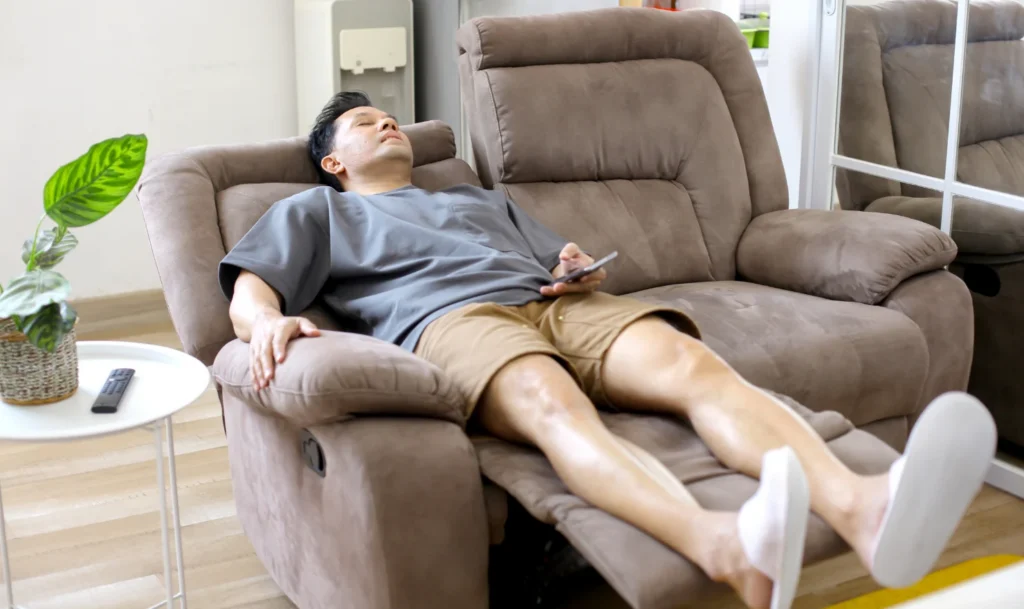
Are electric recliners better than manual recliners for back pain?
Electric recliners can be better for some people because adjustments are smoother and more precise. They can stop at the exact angle that feels right, instead of a limited set of positions.
Manual recliners can still work well, but they may require a push-through motion that some people find awkward during flare-ups. Recliner sofas suit people with back pain when the mechanism fits their mobility and doesn’t require strain to adjust.
Why do “zero-gravity” style positions feel relieving?
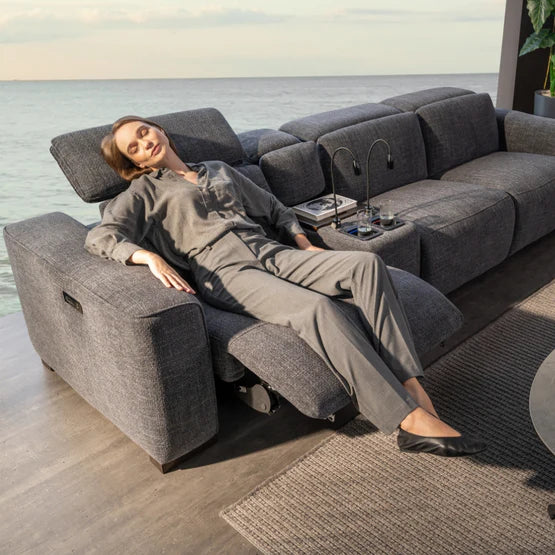
Zero-gravity style positions elevate the legs and recline the torso so the body weight feels more evenly distributed. Many people describe it as taking pressure off the lower back and letting the muscles soften.
Not every recliner reaches a true zero-gravity position, but the concept is similar. Recliner sofas suit people with back pain when they can approximate that supported, weightless feel without forcing the neck into an awkward angle.
Can recliner sofas support different types of back pain?
They can support comfort for many common patterns, but outcomes depend on the cause. For muscular tightness, better support and leg elevation may reduce guarding. For disc irritation, avoiding deep slouching can help. For sciatica, changing angles may reduce nerve sensitivity.
They still need to be cautious with severe symptoms, numbness, or worsening pain, and consider advice from an Australian GP or physio. Recliner sofas suit people with back pain as a practical comfort tool, not a medical treatment.
What should they look for when choosing a recliner sofa in Australia?
They should start with fit. Seat depth should allow their back to rest against the backrest while feet stay comfortably on the floor when upright. Seat height should let knees sit roughly level with hips, not far above them.
They should also check lumbar feel, head support, and how stable the recline is. Recliner sofas suit people with back pain when they match body size, room layout, and daily habits, not just how they look in a showroom.
How can they test a recliner sofa properly before buying?
They should sit for longer than two minutes. A quick perch will not reveal whether the seat causes pelvic tilt or pressure points. If possible, they should mimic their normal routine: upright reading posture, TV posture, and a short recline.
They should also check whether the footrest height suits their leg length and whether the headrest meets the head without pushing it forward. Recliner sofas suit people with back pain when the “test sit” is realistic, not rushed.
Are there any downsides to recliner sofas for people with back pain?
Yes. A recliner that is too soft, too deep, or poorly shaped can still encourage slouching. Some people also find that long periods in a deep recline can stiffen hips or irritate the neck if head support is lacking.
They also need to consider space. Many Australian living rooms, especially apartments and townhouses, need wall-hugger designs to recline without hitting the wall. Recliner sofas suit people with back pain when the model suits the room as well as the body.
How can they set up their living room to support their back?
They should think beyond the sofa. TV height matters because a low screen encourages forward head posture. A small lumbar cushion can help if the sofa’s built-in support is mild, and a footstool can be useful when they want leg elevation without full recline.
They should also keep a clear path for standing up without twisting around a coffee table. Recliner sofas suit people with back pain best when the whole setup supports easy movement, not just the seat.
What simple habits make recliner sofas more effective for back pain?
They should change positions regularly, even if the recliner feels perfect. Small shifts every 20 to 30 minutes can reduce stiffness. Gentle walking during ad breaks or between episodes can help keep the back from tightening.
They should also avoid always reclining to the maximum angle. Recliner sofas suit people with back pain when they are used as an adjustable support system, not a “lock-in” position for hours.
So, why do recliner sofas suit people with back pain?
They suit back pain because they can reduce the need to hold tense, unsupported postures. By supporting lumbar curvature, allowing leg elevation, and offering adjustable recline, they help many people find a comfortable position that feels sustainable. When comparing recliner sofas Sydney buyers should check for warranty terms, it is also important to consider how the warranty covers the reclining mechanism, frame, upholstery, and other key components.
In Australian homes where sitting is a big part of recovery and rest, recliner sofas suit people with back pain when they are chosen carefully, tested properly, and used with regular movement and sensible posture habits.
FAQs (Frequently Asked Questions)
Why do recliner sofas suit people with back pain?
Recliner sofas suit people with back pain because they allow the body to settle into a supported posture and offer adjustable positions. This helps reduce muscle guarding and maintain a neutral spine, making it easier to relax without constant shifting or bracing.
What makes sitting on a standard couch worse for back pain?
Standard couches often place hips too low, knees too high, and lack proper lumbar support. This flattens the natural curve of the lower back, leading to slouching or perching, which strains the lower back muscles and aggravates discomfort.
How does lumbar support in recliner sofas help alleviate back pain?
Lumbar support is crucial because the lower back naturally curves inward. Recliner sofas that gently support this curve prevent the spine from flattening and reduce muscle compensation, helping to ease deep aches commonly felt after prolonged sitting.
Can elevating the legs on a recliner sofa reduce pressure on the lower back?
Yes. Elevating the legs can reduce tension from tight hip flexors and shift load away from the lower back. It also helps decrease swelling and heaviness for those who stand all day, making recliners beneficial for professions like teaching, nursing, and retail.
How does the recline angle affect spinal comfort in recliner sofas?
The recline angle influences weight distribution through the pelvis, spine, and shoulders. A slight recline reduces compressive forces on the lower back better than sitting fully upright. Having a wide range of stable recline angles allows users to find their most comfortable position.
Do recliner sofas assist people who have difficulty standing up from low seats?
Yes. Recliners with firmer seat bases and supportive armrests can make standing up easier for individuals with stiffness, arthritis, sciatica, or post-surgery weakness. Proper seat height and cushioning reduce effort during transitions between sitting and standing.