
Monday to Saturday - 8:00 -17:30

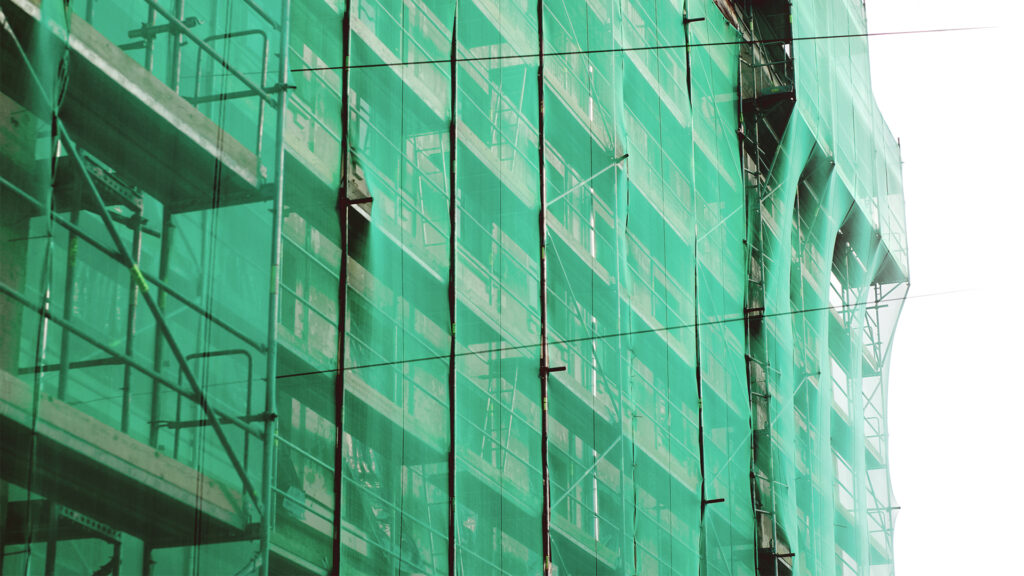
What is Scaffold Mesh and Why is it Important on Construction Sites?
Scaffold mesh is a protective fabric barrier installed on construction sites to contain debris, control dust, and shield work areas from external elements. This essential construction material transforms potentially hazardous sites into safer, more controlled environments whilst meeting regulatory requirements.
High-quality scaffold mesh serves four critical functions on construction sites:
- Safety protection: Contains falling debris and tools, preventing injuries to workers below and pedestrians passing by the site
- Dust control: Traps airborne particles and construction waste, stopping them from spreading to neighbouring properties and public spaces
- Privacy screening: Shields ongoing work from public view, protecting both site security and intellectual property
- Environmental protection: Reduces noise pollution and prevents construction materials from contaminating surrounding areas
The right scaffold mesh choice directly impacts site compliance with health and safety regulations. Sites without proper mesh coverage face increased liability risks, potential fines from regulatory bodies, and project delays due to safety violations.
Urban construction sites particularly benefit from scaffold mesh installation. Dense city environments require stricter dust and debris management to protect nearby residents and businesses. The mesh acts as a physical barrier between active construction zones and public areas, maintaining community relations whilst work progresses.
When evaluating scaffold mesh features, construction managers must consider material durability, installation requirements, and specific site challenges. Different projects demand different mesh specifications—a high-rise renovation needs stronger wind resistance than ground-level work, whilst heritage building projects may require custom-printed mesh to blend with surroundings.
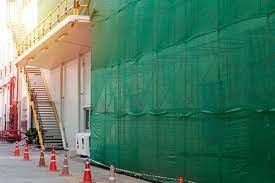
What Material Types Are Best for Scaffold Mesh?
Three primary scaffold mesh materials dominate construction sites: shade cloth, PVC mesh, and polyester mesh. Each material offers distinct advantages depending on project requirements, budget constraints, and intended lifespan.
Shade Cloth: Versatile and Cost-Effective
Shade cloth represents the most popular choice for printed scaffold mesh applications. The material comes in two distinct quality grades that serve different project needs.
Standard grade shade cloth provides basic functionality at an economical price point. This option suits short-term projects where budget considerations outweigh longevity requirements. The material effectively blocks debris and provides adequate privacy screening.
Premium 50% grade shade cloth delivers enhanced durability and superior UV resistance. This higher-quality option extends the mesh’s usable life across multiple projects. The 50% rating indicates the material blocks half of incoming sunlight, creating a balance between visibility and protection.
Standard dimensions for shade cloth include:
- Width: 1.8m rolls
- Eyelets: Pre-installed along top and bottom edges
- Spacing: Regular intervals for secure attachment
- Installation: Quick mounting to scaffolding or temporary fencing
PVC Mesh: Built for Repeated Use
PVC mesh stands out for its exceptional robustness and reusability credentials. Construction companies managing multiple ongoing projects benefit most from this material’s durability characteristics.
The construction quality of PVC mesh includes:
- Stainless steel eyelets: Resist corrosion and maintain integrity through repeated installations
- Welded seams: Prevent tearing at stress points during handling and installation
- Standard width: 1.6m rolls designed for efficient coverage
- Weather resistance: Withstands rain, wind, and temperature fluctuations
PVC mesh maintains structural integrity through numerous deployment cycles. The material resists tearing when removed and reinstalled, making it ideal for contractors who rotate equipment between sites. The initial investment in PVC mesh pays dividends through extended service life and reduced replacement frequency.
Polyester Mesh: Premium Visual Presentation
Polyester mesh excels when visual appeal and branding requirements take priority. This material provides the highest quality printing surface among scaffold mesh materials.
How Important Is Durability and Reusability in Scaffold Mesh?
Durable scaffold mesh is essential for construction sites that need long-term protection and want to save money. High-quality mesh can withstand harsh weather, physical stress, and prolonged exposure to sunlight without breaking down.
What Makes Scaffold Mesh Durable?
Scaffold mesh is made from materials like high-density polyethylene (HDPE) and knitted polyethylene, which are known for their durability. These materials have specific qualities that make them resistant to damage:
- UV resistance: This feature protects the mesh from sun damage, which can make inferior products brittle and cause their colours to fade. Quality HDPE mesh can maintain its structure for 3-5 years even when exposed to direct sunlight all the time, while cheaper alternatives may fail within months.
- Tear resistance: This quality determines how well the mesh can handle accidental impacts, strong winds, and rough handling during installation. Knitted polyethylene construction creates a flexible yet strong fabric that resists tearing at stress points. The knitted structure allows the material to stretch slightly under pressure instead of ripping, which is especially important around eyelet attachment points where tension builds up.
Does Reusable Mesh Really Save Money?
Reusable construction mesh can significantly lower procurement costs across multiple projects. A single high-quality mesh panel costing £50-80 can be used for 4-6 projects over several years, compared to disposable alternatives that need to be replaced every 6-12 months. Construction companies managing multiple sites at the same time report savings of 40-60% on mesh expenses when they choose reusable options.
The financial benefits go beyond just the purchase price:
- Reduced labour costs for frequent replacements
- Lower transport expenses from fewer deliveries
- Decreased storage requirements for backup inventory
- Minimal disposal fees compared to single-use products
How Does Reusability Support Sustainability?
Construction waste makes up about 30% of all waste in landfills. Reusable mesh directly tackles this environmental issue by eliminating the need to throw away materials after each project. One reusable mesh panel can prevent 3-5 disposable equivalents from ending up in landfills throughout its lifespan.
The positive impact on sustainability grows when applied to large construction operations. For example, a company with 20 active sites using reusable mesh instead of disposable alternatives can divert approximately 2-3 tonnes of plastic waste each year. This reduction aligns
What Environmental Benefits Does Scaffold Mesh Provide?
Scaffold mesh actively traps airborne dust and debris particles before they spread beyond the construction perimeter, creating a cleaner environment for neighbouring properties and pedestrians. The mesh acts as a physical barrier that captures particulate matter generated during cutting, grinding, demolition, and material handling activities.
Why does dust containment matter in urban construction?
Dense urban environments amplify the impact of construction dust on surrounding businesses, residences, and public spaces. Uncontrolled dust particles can trigger respiratory issues in vulnerable populations, soil building facades, and enter ventilation systems of nearby structures. Construction sites in city centres face stricter environmental regulations and community expectations for dust management, making effective containment not just beneficial but essential for maintaining good neighbour relations and avoiding regulatory penalties.
High-quality scaffold mesh with tight weave patterns provides superior dust containment compared to loosely woven alternatives. The mesh density determines how effectively it captures fine particles whilst still allowing adequate airflow to prevent dangerous wind pressure build-up on scaffolding structures.
How does scaffold mesh reduce heat exposure on construction sites?
Premium scaffold mesh blocks up to 90% of direct sunlight penetration, creating shaded work zones that significantly lower ambient temperatures. Workers operating in shaded conditions experience less heat stress, maintain better concentration levels, and sustain productivity throughout hot weather periods. The cooling effect extends beyond worker comfort—it reduces the need for portable cooling equipment, cutting energy consumption and operational costs.
The shade provided by mesh also protects materials sensitive to UV degradation and excessive heat. Adhesives, sealants, and certain building materials perform better when shielded from intense solar radiation during application and curing processes. This protection helps maintain material integrity and reduces the risk of installation failures caused by heat-related complications.
How Does Scaffold Mesh Contribute to Safety and Compliance?
Scaffold mesh safety features directly protect workers and the public by containing falling debris and creating physical barriers around hazardous work zones. The mesh acts as a first line of defence, catching tools, materials, and construction waste before they can injure people below or damage property. Privacy screening adds another layer of protection by limiting unauthorised access and reducing distractions that could compromise worker concentration during critical tasks.
Fire Safety
Fire-retardant scaffold mesh addresses one of construction’s most serious hazards. Standard mesh materials can become fuel sources during fires, but treated options resist ignition and slow flame spread. These specialised products meet building codes that mandate fire resistance ratings for temporary structures, particularly on high-rise projects or sites near occupied buildings. The investment in fire-retardant mesh proves essential when local authorities require certification before issuing permits.
OSHA Compliance
OSHA compliance becomes more manageable with properly installed scaffold mesh systems. The mesh helps satisfy requirements for fall protection, debris containment, and site perimeter security outlined in OSHA standards. Construction managers can demonstrate their commitment to worker safety during inspections by pointing to visible mesh installations that prevent materials from leaving the work area.
Green Building Standards
Green building standards like LEED and Green Star recognise scaffold mesh as a dust control measure. These certification programmes award points for construction practices that minimise environmental impact, including air quality management. Sites pursuing LEED certification benefit from mesh installations that trap particulates and prevent them from spreading to neighbouring properties. The documentation of mesh usage supports credit applications in the Indoor Environmental Quality and Sustainable Sites categories.
Building Code Compliance
Building codes increasingly require temporary protective measures that match the scale and risk profile of construction projects. Scaffold mesh specifications must align with local regulations regarding:
- Minimum mesh density for debris containment
- Fire resistance ratings for urban construction zones
- Wind load calculations for structural stability
- Visibility requirements for traffic management near roadways
Compliance documentation becomes simpler when mesh suppliers provide technical data sheets confirming their products meet relevant Australian Standards or international equivalents. Site managers can reference these specifications during permit applications and regulatory inspections.
What Installation Features Should One Look For in Scaffold Mesh?
Proper installation features determine whether scaffold mesh stays securely in place throughout a project’s duration. The most critical element is reinforced eyelets positioned at regular intervals along both the top and bottom edges of the mesh, typically spaced 300-500mm apart to distribute tension evenly across the material.
Importance of Eyelets
Eyelets for scaffolding attachment serve as the primary anchoring points that connect mesh to scaffolding poles, temporary fencing, or building facades. High-quality scaffold mesh features stainless steel or brass eyelets that resist corrosion from weather exposure and maintain their structural integrity under constant tension. These metal-reinforced holes prevent tearing at attachment points, a common failure mode in lower-grade products that use simple perforations.
Positioning Matters
The positioning of eyelets matters as much as their quality. Top-edge eyelets allow the mesh to hang vertically from horizontal scaffold tubes, whilst bottom eyelets enable tensioning and securing to lower scaffold levels or ground anchors. This dual-point attachment system prevents billowing in windy conditions and keeps the mesh taut against the structure.
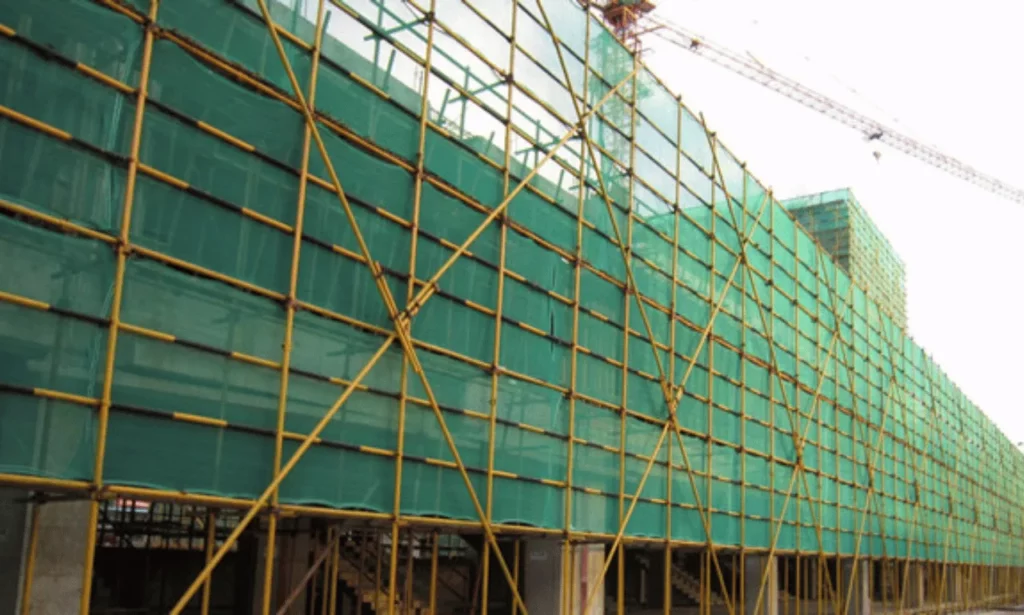
Key Installation Hardware Considerations
The diameter of eyelets should accommodate standard attachment methods used on construction sites:
- 12-15mm diameter eyelets work with cable ties, bungee cords, and standard scaffold clips
- Welded seams around eyelet edges prevent progressive tearing under load
- Reinforced corners with additional eyelets provide extra stability at stress points
- Pre-marked spacing helps installers achieve consistent attachment patterns
Some premium scaffold mesh products include self-locking grommets that grip attachment hardware more securely than standard eyelets. These specialised fixtures reduce the risk of mesh detachment during high winds or when subjected to impact from moving equipment.
Mesh Width and Roll Length Considerations
Mesh width affects installation efficiency. Standard 1.6-1.8m widths match typical scaffold bay dimensions, minimising the need for overlapping sections and reducing installation time. Longer roll lengths (30-100m) allow coverage of extensive facade areas without multiple joins, creating a cleaner appearance and fewer potential weak points.
Edge Finishing Quality
Edge finishing quality impacts scaffold mesh installation success. Heat-sealed or hemmed edges prevent fraying during handling and installation.
What Additional Functionalities Can High-Quality Scaffold Mesh Offer?
High-quality scaffold mesh delivers critical wind load reduction benefits that directly impact scaffolding stability and structural integrity. The mesh acts as a permeable barrier that allows controlled airflow whilst significantly reducing the force of wind pressure against scaffolding frameworks. This wind load reduction scaffold mesh functionality becomes especially valuable on tall structures or in exposed locations where strong gusts could compromise scaffold stability.
The permeability rating of the mesh material determines its effectiveness at managing wind forces. A 50% shade cloth mesh, for instance, allows half the wind to pass through whilst deflecting the remainder, creating a balanced approach that maintains stability without creating excessive resistance. This controlled permeability prevents the scaffolding from acting as a solid sail that could catch wind and generate dangerous lateral forces.
Privacy Screening Construction Sites
Construction sites in residential areas or commercial districts require effective privacy screening to maintain professional boundaries and protect site security. Scaffold mesh transforms standard scaffolding into comprehensive privacy screens that shield ongoing work from public view. This privacy screening construction sites benefit extends beyond simple visual blocking—it creates a defined perimeter that discourages unauthorised access and reduces public curiosity about site activities.
The mesh provides adjustable levels of privacy depending on material density and colour selection. Darker colours and tighter weaves offer greater opacity, whilst lighter options maintain some visibility for safety monitoring. Sites can select mesh specifications based on their specific privacy requirements, from complete visual blocking to partial screening that maintains some transparency.
Enhanced Professional Appearance
Branded scaffold mesh elevates site presentation by displaying company logos, contact information, or project details across the entire perimeter. This transforms what would otherwise be a utilitarian safety barrier into a marketing asset that communicates professionalism to passing pedestrians and potential clients. Full-colour printing capabilities allow for detailed graphics that maintain visual quality even on large-scale installations.
The visual impact extends to community relations, where well-maintained, professionally branded mesh demonstrates a contractor’s commitment to site management and public consideration. Clean, printed mesh creates a more polished appearance than bare scaffolding or tattered barriers, contributing to positive perceptions of the construction project.
Debris Containment Beyond Standard Safety
Whilst safety remains the primary function, high-quality mesh provides superior debris containment that protects not just workers but surrounding properties and pedestrians as well. Its robust construction minimises the risk of falling objects during construction activities, ensuring compliance with safety regulations and safeguarding those in proximity to the site.
This added layer of protection enhances overall site safety measures by addressing potential hazards associated with overhead work. By preventing debris from escaping the designated work area, high-quality scaffold mesh contributes to creating a secure environment for both workers on-site and individuals passing by or residing nearby.
In summary, high-quality scaffold mesh offers additional functionalities such as wind load reduction for improved stability, privacy screening for enhanced security, professional branding opportunities for effective marketing, and superior debris containment for heightened safety measures. These features make it an invaluable investment in ensuring not only compliance with regulations but also maintaining professionalism throughout every stage of construction projects.
Conclusion
When it comes to choosing high-quality scaffold mesh for construction sites, it’s important to understand how each feature contributes to the success of your project. The right mesh selection not only protects workers but also controls environmental impact and ensures regulatory compliance throughout the construction process.
Why Quality Scaffold Mesh Matters
Investing in quality scaffold mesh means investing in sustainable construction materials instead of opting for disposable solutions. Materials such as HDPE and knitted polyethylene are capable of withstanding multiple projects, thereby reducing waste while still delivering consistent performance. Additionally, fire-retardant options, UV resistance, and tear-resistant construction guarantee that your mesh meets both safety standards and practical requirements.
Assessing Your Specific Needs
When it comes to selecting scaffold mesh that provides effective site protection, it’s crucial to evaluate your specific needs:
- Material durability – Opt for UV-resistant and reusable options that can endure harsh weather conditions.
- Installation features – Ensure that eyelets and reinforced edges are present for secure attachment.
- Environmental credentials – Give priority to dust control and heat reduction capabilities.
- Compliance requirements – Verify fire ratings and regulatory certifications.
- Functional versatility – Take into account wind load reduction and privacy screening needs.
The Impact of Quality on Safety and Appearance
The distinction between adequate and exceptional scaffold mesh lies in these finer details. While premium materials may have a higher upfront cost, they offer superior protection, longer lifespan, and less frequent need for replacement. Construction sites that utilise high-quality mesh tend to experience fewer safety incidents, better dust containment, and an overall improved professional appearance.
The Direct Influence of Your Choice
It’s important to recognise that the choice you make regarding scaffold mesh directly affects worker safety, environmental responsibility, and project compliance. By investing in products with proven durability, proper certifications, and comprehensive functionality, you not only protect your site but also support wider sustainability objectives.
Finding the Right Balance
The most effective scaffold mesh solutions strike a balance between immediate protective needs and long-term cost efficiency along with environmental stewardship.
FAQs (Frequently Asked Questions)
What is scaffold mesh and why is it important on construction sites?
Scaffold mesh is a protective material used on construction sites that serves multiple functions including safety enhancement, dust control, privacy screening, and environmental protection. It helps contain debris, reduce dust pollution, provide privacy, and improve overall site safety.
Which materials are best suited for scaffold mesh on construction sites?
Popular materials for scaffold mesh include shade cloth (available in standard and premium options), PVC mesh known for its robustness and reusability with features like stainless steel eyelets and welded seams, and polyester mesh valued for its visual appeal and high-quality printing. Each material offers specific benefits depending on project needs.
How important are durability and reusability in scaffold mesh?
Durability factors such as UV resistance and tear resistance are crucial for scaffold mesh longevity, especially materials like HDPE and knitted polyethylene. Reusable mesh reduces construction waste and lowers procurement costs, contributing to sustainability by allowing multiple project uses.
What environmental benefits does scaffold mesh provide on construction sites?
Scaffold mesh plays a key role in trapping dust and debris, improving air quality around urban construction areas. Additionally, it blocks sunlight to reduce heat exposure on-site, enhancing worker comfort and productivity while supporting environmental protection efforts.
How does scaffold mesh contribute to safety and regulatory compliance?
Scaffold mesh enhances safety by containing debris and providing privacy screening. Fire-retardant options help meet fire safety regulations. Using scaffold mesh supports compliance with OSHA regulations as well as green building standards such as LEED or Green Star.
What installation features should I look for in high-quality scaffold mesh?
Look for scaffold mesh with eyelets at the top and bottom edges to ensure secure attachment to scaffolding or fencing structures. Proper installation features enhance stability, support wind load reduction, and maintain effective site protection throughout the project duration.
See more about: A Simple Checklist Before You buy formply for Your Site