
Monday to Saturday - 8:00 -17:30

What Is Formply and Why Is It Used in Construction?
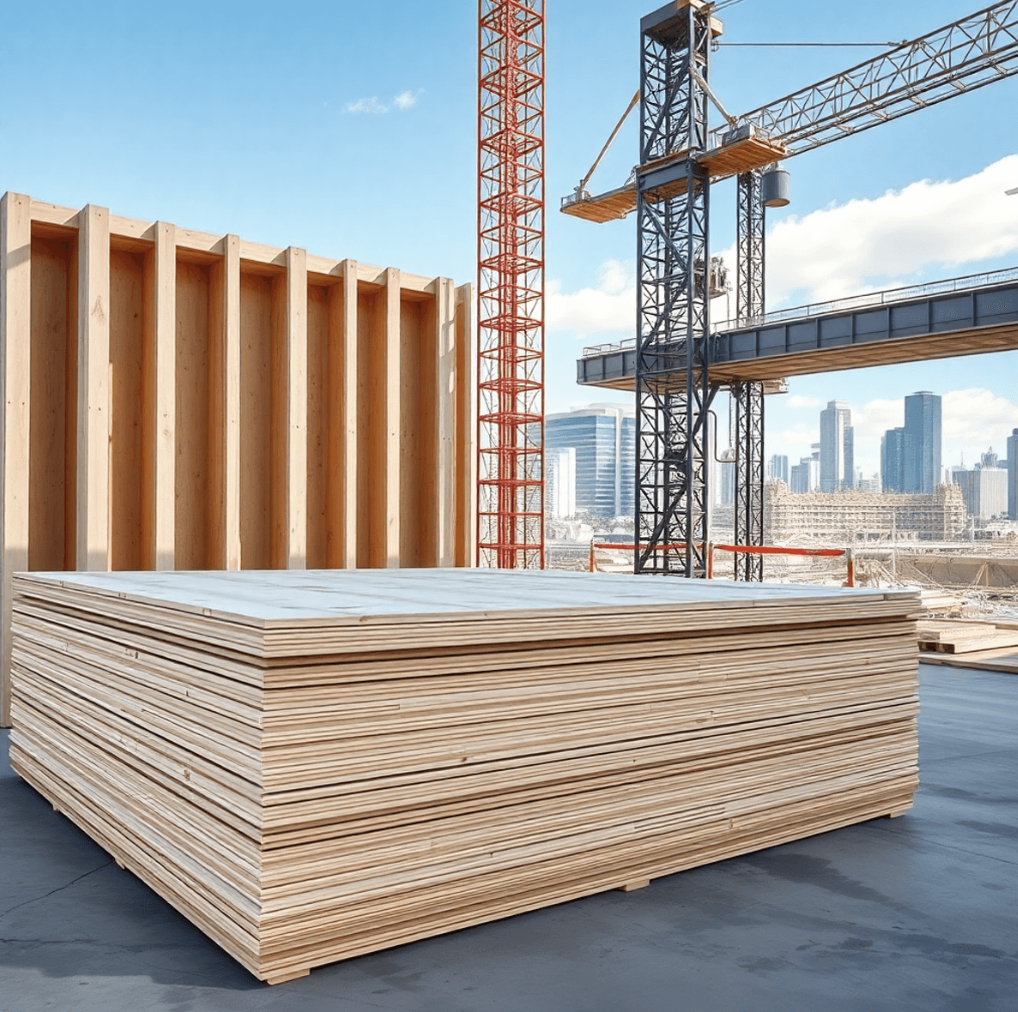
Formply is a specialised structural plywood engineered specifically for demanding construction applications, particularly concrete formwork. This material stands out due to its unique construction: a high-density overlay of impregnated paper bonded to a plywood core, creating a laminated face on both sides.
The secret to formply’s exceptional performance lies in its bonding system. Manufacturers use premium-grade phenolic resin with a type-A marine bond, which allows the material to handle temperature fluctuations and moisture exposure without compromising structural integrity. This composition makes formply significantly stronger than standard plywood options.
Where do builders typically use formply? The material excels in several key applications:
- Concrete formwork moulds – creating smooth, professional finishes on concrete surfaces
- Civil engineering projects – temporary structures, scaffolding platforms, and site hoarding
- Industrial flooring – providing robust support in high-traffic areas
- Cabinetry and furniture – where strength and a quality finish matter
The laminated layer delivers superior structural strength whilst extending the material’s working life. Formply resists UV rays, salty water, and temperature changes, making it reliable across diverse Australian conditions. Many products come in various colours, helping teams differentiate between project phases or add aesthetic appeal to temporary structures.
Before you buy formply for your site, understanding these fundamental characteristics helps ensure you’re selecting the right material for your specific construction needs.
How Does Formply Compare to Marine Plywood?
Formply vs marine ply represents a common dilemma for builders and contractors. While both are high-quality plywood types, formply excels in concrete formwork applications with its smooth laminated surface, whereas marine plywood is engineered specifically for continuous water exposure like boat building and dock construction.
Understanding the Core Differences in Waterproofing
The adhesive composition sets these plywood types apart fundamentally. Formply uses type-A marine bond with phenolic resin, making it moisture-resistant but not fully waterproof. Marine ply employs waterproof adhesives throughout its construction, allowing complete submersion without delamination. This distinction matters when selecting materials for your specific environment.
Formply handles:
- Occasional wetness and rain exposure
- Temperature fluctuations on construction sites
- UV radiation and salty air conditions
- Temporary water contact during concrete curing
Marine plywood withstands:
- Continuous water immersion
- Direct contact with seawater
- Prolonged humid environments
- Marine applications requiring permanent water resistance
Finish Quality and Application Suitability
Formply’s laminated high-density overlay creates an exceptionally smooth surface ideal for concrete work. The finish produces clean, professional results when used as formwork, eliminating the need for extensive surface preparation. This smooth face prevents concrete adhesion and allows easy release after curing.
Marine plywood typically features a rougher surface texture requiring additional finishing work. The material prioritises structural integrity over surface smoothness, making it less suitable for applications where appearance matters. For concrete formwork specifically, formply delivers superior results without extra preparation steps.
Cost Analysis and Budget Considerations
Marine plywood commands premium pricing due to its specialised waterproof construction and materials. The higher cost reflects its ability to withstand harsh marine environments and provide long-term durability in wet conditions. Budget-conscious projects not requiring full waterproofing benefit from choosing formply instead.
Formply offers excellent value for construction sites where:
- Concrete formwork represents the primary use
- Moisture exposure remains occasional rather than constant
- Multiple reuses across different projects are planned
- Budget constraints limit material selection options
What Performance Standards Should Buyers Look For In Formply?
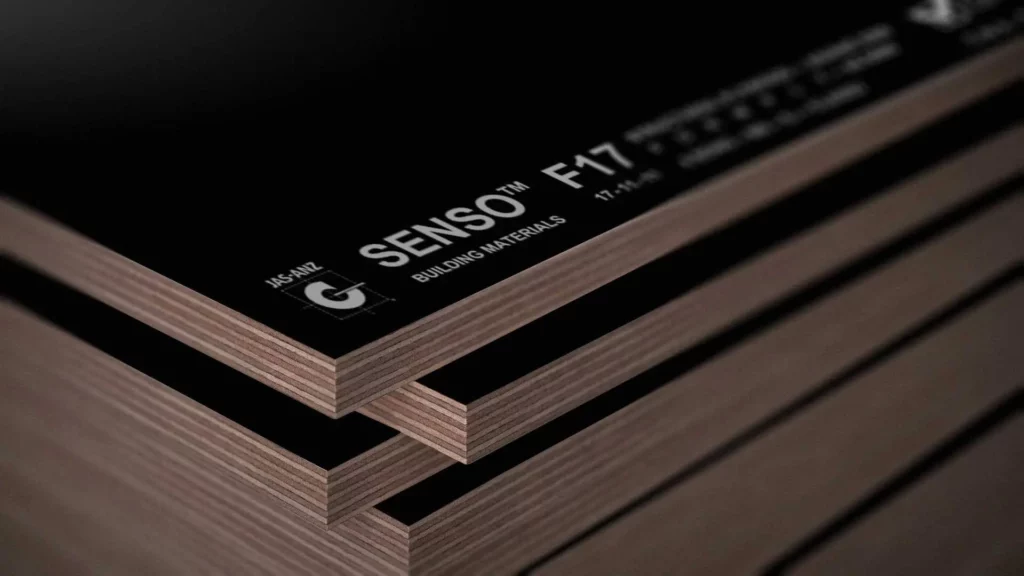
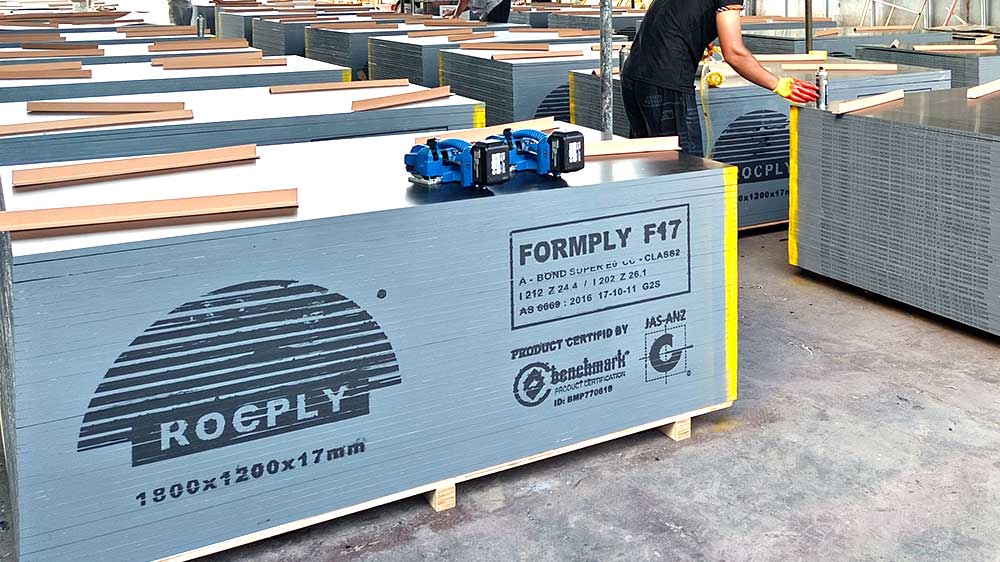
AS 6669 standard represents the benchmark for formply quality in Australia. This certification ensures the plywood meets rigorous requirements for structural integrity, making it suitable for demanding construction applications where safety and reliability cannot be compromised.
Why AS 6669 Compliance Matters
Formply bearing the AS 6669 mark has undergone extensive testing for load-bearing capacity. The standard verifies that the material can support substantial weight during concrete pouring and curing processes without warping, cracking, or failing. This becomes critical when working on multi-storey buildings or large-scale infrastructure projects where formwork must hold tonnes of wet concrete.
The certification also addresses durability under challenging conditions:
- Temperature resistance: Tested across extreme heat and cold cycles
- Moisture exposure: Verified performance when subjected to wet conditions
- Structural stability: Guaranteed dimensional consistency under load
- Bonding integrity: Ensures laminated layers remain secure during use
Verifying Manufacturer Certifications
Not all formply products display plywood certifications clearly. Buyers should request documentation proving AS 6669 compliance directly from suppliers. Reputable manufacturers stamp their products with certification marks and provide test reports upon request.
Check for these indicators of legitimate quality standards for formply:
- Certification stamps embossed or printed on each sheet
- Batch numbers that allow traceability to manufacturing records
- Test reports detailing performance metrics
- Manufacturer warranties that back certification claims
Some suppliers may offer formply at suspiciously low prices without proper certification. These products often fail prematurely on site, leading to project delays and safety hazards. The initial savings disappear when formwork collapses or requires premature replacement.
Additional Quality Markers
Beyond AS 6669, examine the phenolic resin bonding quality. Premium formply uses type-A marine bond adhesive, which provides superior moisture resistance compared to lower-grade alternatives. The laminated face should feel smooth and uniform without bubbles, delamination, or inconsistent thickness.
Ask suppliers about their quality control processes. Established manufacturers conduct regular testing beyond minimum standards, ensuring batch consistency and long-term durability.
How Resistant Is Formply To Moisture And Weather Conditions?
Formply offers robust moisture resistance and weatherproof capabilities, though it’s not designed for continuous water immersion. The material’s high-density overlay and phenolic resin bonding create a protective barrier that handles occasional wetness and environmental exposure effectively.
Understanding Formply’s Moisture Resistance
The type-A marine bond used in formply construction provides substantial protection against moisture intrusion. The phenolic resin creates a water-resistant barrier that prevents the plywood core from swelling or degrading when exposed to damp conditions. This moisture resistance makes formply suitable for:
- Concrete formwork where wet concrete contacts the surface
- Outdoor construction projects with intermittent rain exposure
- Sites with high humidity levels
- Temporary structures requiring weather protection
The laminated face on both sides acts as a shield, preventing water penetration through the surface. When properly maintained, formply maintains its structural integrity through multiple wet-dry cycles common on construction sites.
Limitations Against Continuous Water Exposure
Formply should not be confused with fully waterproof marine plywood. Whilst the material resists moisture effectively, prolonged or constant water contact will eventually compromise its performance. The adhesive bonds, though strong, aren’t designed for permanent submersion or continuous saturation.
Construction managers should avoid using formply in applications where:
- Material remains submerged in water for extended periods
- Constant water flow contacts the surface
- Standing water accumulates without drainage
- Marine environments require permanent water resistance
The distinction between moisture-resistant and waterproof matters significantly when planning your project. A simple checklist before you buy formply for your site should include evaluating the duration and intensity of water exposure expected during use.
Weatherproof Features: UV and Environmental Resistance
Formply’s weatherproof plywood characteristics extend beyond moisture handling. The high-density overlay provides excellent UV resistance, protecting the material from sun damage that typically degrades untreated wood products. This UV protection prevents:
- Surface deterioration from prolonged sun exposure
- Colour fading and discolouration
- Weakening of the laminated layer
- Cracking or splitting from thermal stress
The material demonstrates remarkable resistance to salty water environments, making it valuable for coastal construction projects or areas exposed to marine conditions.
What Are The Maintenance Requirements For Formply On Site?
Formply maintenance directly impacts how many concrete pours you’ll get from each sheet and whether your investment delivers value over time. Proper plywood care tips start the moment materials arrive on site and continue through every stage of use.
Regular Inspection Protocols
Inspect formply sheets before each use for signs of wear, warping, or surface damage. Check for delamination along edges where moisture may have penetrated the laminated layers. Surface cracks or bubbling indicate the protective overlay has been compromised, reducing the sheet’s effectiveness for smooth concrete finishes.
Managing Water Exposure
Limit formply’s contact with standing water or prolonged moisture exposure, even though the material resists occasional wetness. After concrete pours, clean sheets within 24 hours to prevent residue from bonding permanently to the surface. Remove any pooled water immediately, as extended saturation weakens the phenolic resin bonds between layers.
Preventing Delamination Through Edge Sealing
Cut edges expose the plywood core to moisture infiltration, creating the primary risk for delamination. Apply a waterproof sealant to all cut edges before use, creating a barrier that matches the protection of the factory-sealed edges. Reapply sealant after each concrete pour if edges show wear or exposure.
Release Agent Application
Apply release agents to formply surfaces before each concrete pour to prevent concrete from bonding to the laminated overlay. This practice extends the number of reuses per sheet and maintains the smooth finish quality. Choose release agents compatible with your concrete mix and formply’s phenolic surface coating.
Storage Best Practices
Store formply sheets flat on plastic supports in covered, dry areas away from direct ground contact. Stack sheets with spacers between them to allow air circulation and prevent moisture accumulation. Vertical storage risks warping under the material’s own weight, particularly in humid conditions.
Key storage requirements include:
- Elevation: Keep sheets at least 100mm off the ground using plastic bearers
- Cover: Protect from rain and direct sunlight with breathable tarps
- Ventilation: Ensure airflow between stacked sheets
- Weight distribution: Avoid placing heavy materials on top of stored formply.
How Should Buyers Assess Their Project Needs Before Choosing Formply?
Matching your project requirements for plywood to the right material prevents costly mistakes and ensures optimal performance. Buyers who skip this assessment often face issues like premature deterioration, budget overruns, or inadequate structural support for their specific application.
Understanding Your Moisture Exposure Profile
The level of water contact your formply will encounter determines whether it’s the right choice. Projects with occasional moisture exposure—such as concrete formwork that dries between pours—suit formply perfectly. Sites with constant water contact, like marine structures or permanently damp environments, require marine plywood instead.
Key moisture assessment questions:
- Will the material face direct rain or water splashing?
- How quickly can the surface dry after moisture exposure?
- Does the site have adequate drainage and ventilation?
- Will the formply remain exposed to the elements long-term?
Calculating Budget Considerations Without Compromising Quality
Choosing plywood type based solely on upfront cost creates false economies. Formply typically costs less than marine plywood, making it attractive for budget-conscious projects. The real value emerges when you calculate cost per use—formply’s durability allows multiple reuses in concrete formwork, reducing the per-project expense significantly.
A project requiring 50 sheets for temporary concrete moulds might reuse formply 15-20 times with proper maintenance. This translates to a fraction of the initial cost per application. Compare this against cheaper alternatives that fail after 3-5 uses, and the budget equation shifts dramatically.
Defining Longevity Expectations For Your Application
Different projects demand different lifespans from their materials. Temporary construction formwork might only need 12-18 months of reliable service, whilst permanent installations like industrial flooring underlays require decades of performance.
Formply excels in medium-term applications where its structural strength and moisture resistance provide adequate protection. Projects expecting 2-5 years of intensive use benefit most from formply’s characteristics. Applications requiring longer service lives might justify the premium for marine plywood or alternative materials.
Consulting Specialists For Tailored Material Recommendations
Contractors and specialist suppliers possess site-specific knowledge that generic advice cannot match. These professionals understand local climate conditions, typical project challenges,
Are There Sustainable Options When Purchasing Formply?
Yes, sustainable plywood options are increasingly available as manufacturers respond to environmental concerns and building regulations. The construction industry has witnessed a significant shift towards eco-conscious materials, with formply producers now offering products sourced from certified forests and manufactured using environmentally responsible processes.
Certified Forest Sourcing
Sustainable formply begins with responsible timber harvesting from certified forests. Look for products bearing certifications such as:
- FSC (Forest Stewardship Council) – ensures timber comes from responsibly managed forests that provide environmental, social, and economic benefits
- PEFC (Programme for the Endorsement of Forest Certification) – promotes sustainable forest management through independent third-party certification
- AFS (Australian Forestry Standard) – specifically relevant for Australian buyers seeking locally certified sustainable timber
These certifications guarantee that the wood used in your formply hasn’t contributed to deforestation or habitat destruction. Manufacturers with certified sourcing maintain transparent supply chains, allowing buyers to trace the origin of their materials.
Eco-Friendly Adhesives in Manufacturing
The adhesives binding formply layers together have evolved beyond traditional phenolic resins to include low-emission alternatives. Modern eco-friendly adhesives reduce volatile organic compounds (VOCs) released during and after installation, improving air quality on construction sites and in finished structures.
Some manufacturers now offer formply bonded with:
- Soy-based adhesives derived from renewable plant sources
- Low-formaldehyde or formaldehyde-free resins that meet strict emission standards
- Bio-based phenolic alternatives that maintain structural performance whilst reducing environmental impact
These adhesives don’t compromise the moisture resistance or structural integrity that makes formply suitable for concrete formwork. When reviewing product specifications, request information about adhesive composition and emission ratings.
Why Sustainability Matters in Construction Materials
Building with sustainable materials addresses both regulatory requirements and corporate responsibility goals. Many construction projects now require environmental impact assessments, and choosing certified sustainable plywood contributes positively to green building ratings such as Green Star or LEED certification.
Sustainable formply offers practical advantages beyond environmental benefits:
- Reduced liability regarding environmental compliance
- Enhanced reputation with environmentally conscious clients.
Final Checklist Before Buying Formply For Your Site
Making an informed formply purchase requires careful consideration of multiple factors discussed throughout this buying guide summary. Use this final checklist formply purchase guide to ensure you’ve covered all essential criteria before committing to your order.
Verify Material Specifications
- Confirm AS 6669 compliance for structural integrity and load-bearing capacity
- Check that the phenolic resin bonding meets type-A marine bond standards
- Inspect the laminated face quality and high-density overlay thickness
- Review manufacturer certifications and quality assurance documentation
Assess Project-Specific Requirements
Does your site demand specific performance characteristics? Match formply specifications to your concrete formwork needs, expected moisture exposure levels, and anticipated number of reuses. Consider whether the smooth finish quality meets your concrete surface requirements.
Calculate True Cost Value
Compare pricing across suppliers while factoring in durability and expected lifespan. A slightly higher upfront investment in certified formply often delivers better value through extended use cycles and reduced replacement frequency.
Evaluate Supplier Credentials
- Research brand reputation and customer reviews
- Confirm warranty coverage and terms
- Assess availability of technical support
- Verify stock levels for project timeline requirements
Consider Sustainability Credentials
Check whether the formply originates from certified forests with responsible forestry practices. Ask suppliers about eco-friendly adhesive options and environmental certifications that align with your project’s sustainability goals.
Plan Storage and Maintenance
Ensure you have appropriate dry storage facilities for flat stacking. Budget for release agents, edge sealants, and plastic supports needed to maximise formply lifespan on site.
Seek Professional Input
Consult with experienced contractors or structural engineers familiar with your specific application. Their practical insights can prevent costly specification errors and optimise material selection for your unique site conditions.
This simple checklist before you buy formply for your site empowers you to make a confident, well-informed purchase decision that balances performance requirements, budget constraints, and long-term project success.
FAQs (Frequently Asked Questions)
What is formply and why is it commonly used in construction?
Formply is a type of structural plywood featuring a laminated face bonded with phenolic resin, making it ideal for concrete molds and civil engineering projects. Its strength and durability make it a preferred choice for concrete formwork in construction.
How does formply compare to marine plywood in terms of waterproofing and application?
While both are types of plywood, formply uses phenolic resin bonding that provides good moisture resistance suitable for concrete surfaces, whereas marine plywood employs waterproof adhesives designed for prolonged water exposure. Formply is generally more cost-effective for concrete formwork, but marine plywood offers superior waterproofing for marine or highly wet environments.
What performance standards should buyers look for when purchasing formply?
Buyers should ensure the formply complies with the Australian Standard AS 6669, which certifies its load-bearing capacity and durability under challenging conditions. Verifying manufacturer certifications guarantees quality and suitability for structural applications.
How resistant is formply to moisture and weather conditions on construction sites?
Formply exhibits strong moisture resistance and can withstand UV exposure and salty water conditions; however, it is not designed for continuous water immersion. Proper site use and maintenance are essential to maintain its weatherproof properties over time.
What maintenance practices are recommended to prolong the lifespan of formply on site?
Regular inspections, avoiding prolonged exposure to water, sealing cut edges, applying release agents during concrete work, and proper storage methods are key maintenance practices that prevent delamination and preserve the integrity of formply panels.
Are there sustainable options available when purchasing formply?
Yes, sustainable formply options exist that use eco-friendly adhesives and sourced wood from certified forests. Choosing these products supports environmentally responsible construction practices without compromising performance.
See more about: What to Look for in High-Quality scaffold mesh for Construction Sites